
Selling Land to a Developer in Georgia
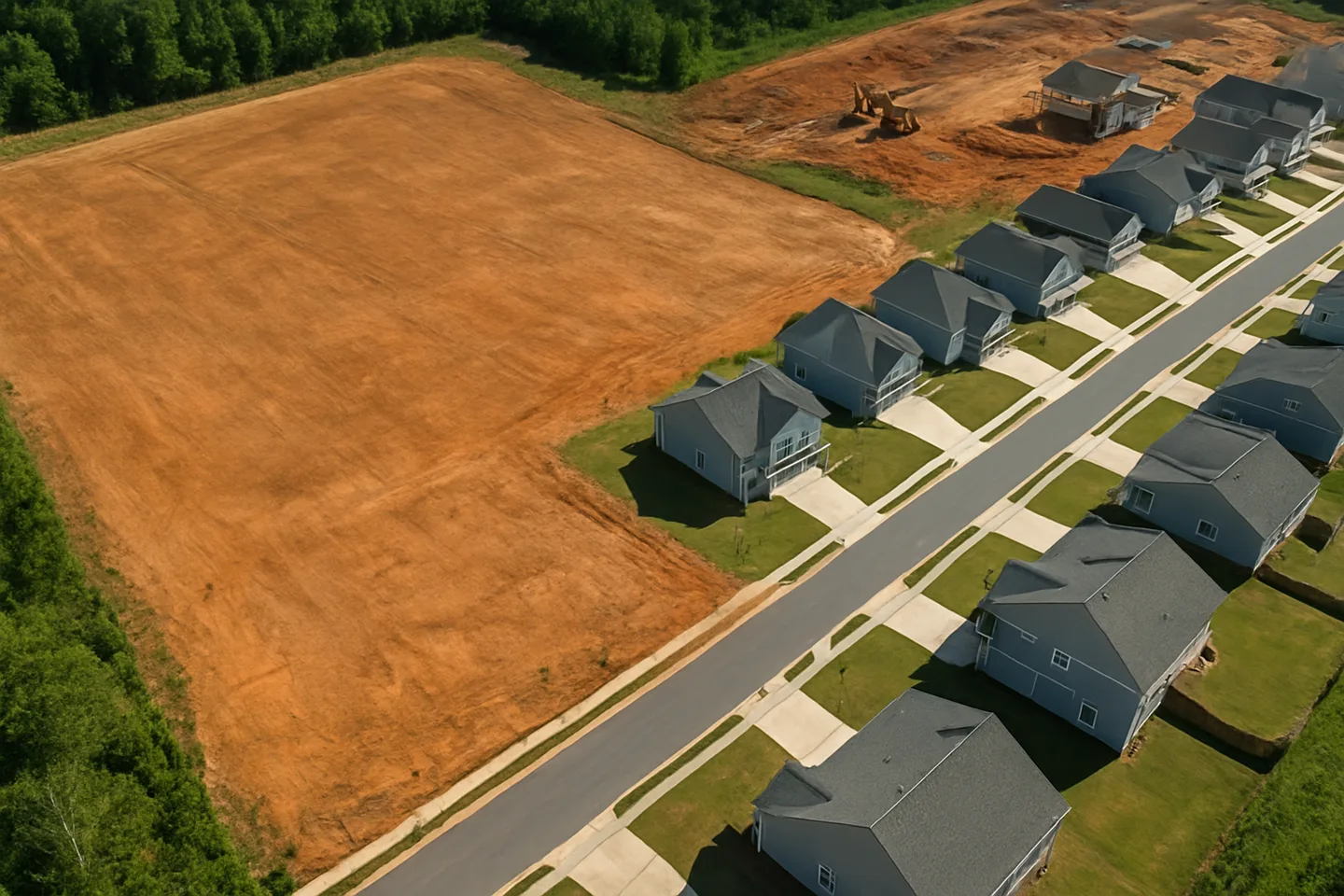
Understanding Selling Land To A Developer in Georgia
If you want to sell your land in Georgia, working with a developer can be one of the most straightforward paths to closing quickly and at a competitive price. Developers typically purchase property outright, which means you can often receive a cash offer without the extended timelines that come with traditional listings. The key is understanding how the process works so you can negotiate from a position of knowledge rather than guesswork.
To sell your land to developers successfully, you need to understand what they look for: location, zoning compatibility, parcel size, and access to utilities. Doing your due diligence before any conversation begins will help you present your property confidently. Buyers in this space move quickly when a parcel checks their boxes, so preparation matters. The sections below walk you through exactly what to expect when you sell your land in Georgia's development market.
Why Selling Land To A Developer Matters for Georgia Landowners
For any landowner in Georgia, understanding the full picture of the sale of land to a developer can mean the difference between leaving money on the table and walking away with a fair outcome. Market trends across the state have shifted significantly in recent years, with land development activity picking up in both urban corridors and rural counties. Infrastructure projects, highway expansions, and commercial growth have all contributed to rising land value in areas that once seemed far from the radar of any real estate developer.
A landowner sitting on a vacant lot or a larger undeveloped parcel may not realize the potential value of what they hold. Since developers are constantly scouting for the right parcels, landowners looking to sell can sometimes attract multiple offers, especially if the property sits near growing commercial real estate activity or is zoned in a way that allows flexible use. Understanding the land's potential from a developer's perspective is one of the smartest things a property owner can do before entering any negotiation.
Working with a real estate professional early in the process helps you understand how similar properties have performed and what the current property value looks like in your specific market. A real estate agent familiar with development transactions can help you identify potential developers and gauge what potential buyers in that space are willing to pay. A real estate attorney can then protect your interests when contracts arrive.
Some landowners also explore joint ventures or structured agreements instead of an outright sale. These arrangements allow property owners to participate in the upside of a development project rather than simply exiting. That said, these deals are more complex, and the selling process requires careful legal review. Whether you pursue a full sale or a collaborative structure, knowing the value of your land and understanding local market conditions is essential before engaging any commercial property buyer.
Step-by-Step: How to Sell Land To A Developer in Georgia
Knowing how to sell land to a developer in Georgia starts with preparation, not with posting a listing. Here is a practical breakdown of the steps involved.
1. Assess your property's current standing. Before you sell land, gather the basics: parcel size, current zoning, access to roads and utilities, and any existing surveys or environmental reports. Understanding local zoning rules upfront saves significant time later. The current market in Georgia varies widely by county, so researching land sale activity in your area gives you a realistic baseline for the land's value.
2. Understand what developers want. Developers are not buying what the land is today, they are buying what it can become. Development projects vary from residential subdivisions to industrial facilities to mixed-use commercial centers. Knowing which type of developer is most likely to be interested in your parcel helps you market your land more effectively.
3. Gather documentation. This includes the deed, any surveys, tax records, and any prior environmental studies. Unlike selling a house, where cosmetic condition drives impressions, land buyers focus almost entirely on documentation and regulatory status. Having clean records makes due diligence smoother for everyone.
4. Connect with buyers. Listing your property on land-specific platforms is one option. Reaching out directly to local developers or working with a broker who specializes in undeveloped land transactions is another. Real estate market knowledge matters here, a broker familiar with development activity can help you target the right buyers faster.
5. Evaluate offers carefully. Not all offers are equal. Some include contingencies tied to rezoning or environmental approvals, which can extend the timeline significantly. Understanding the pitfalls of selling land, like accepting a low contingent offer over a cleaner cash deal, helps you make smarter decisions. Sellers who understand market conditions tend to negotiate better outcomes.
6. Close with the right legal support. Georgia has specific requirements around deed execution, transfer taxes, and recording. A real estate attorney familiar with Georgia land sale transactions will help you navigate closing without surprises.
What to Watch Out For When Selling Land To A Developer in Georgia
The process of selling land in Georgia comes with a few important considerations that can trip up unprepared sellers. Understanding these factors early in the sale process protects both the value of your property and your timeline.
Zoning and rezoning delays. Zoning regulations significantly impact what land developers can build, and therefore what they are willing to pay. If a developer needs to rezone the parcel before breaking ground, the process typically involves municipal hearings and plan submissions. According to research specific to Georgia counties, rezoning can add six to twelve months or more to the overall transaction timeline. For development land where a rezoning is required, build that reality into your expectations before you sign anything.
Environmental conditions. Federal and state regulations may require a Phase I Environmental Site Assessment for certain commercial transactions in Georgia. The Georgia Environmental Protection Division may have requirements that go beyond the federal ASTM E1527-21 standard. The average cost of a Phase I assessment in Georgia ranges from approximately $1,500 to $4,000. Mixed-use or industrial-zoned parcels are especially likely to trigger this requirement, and potential land issues flagged during the assessment can significantly impact the sale of your property.
Georgia-specific tax obligations. According to the Georgia Department of Revenue, the state's real estate transfer tax is $1.00 for the first $1,000 of the sale price and $0.10 for each additional $100 thereafter, under O.C.G.A. § 48-6-1. Additionally, if you are not a Georgia resident, the state requires a 3% income tax withholding on the sale under O.C.G.A. § 48-7-128. These costs should factor into your net proceeds calculation.
Negotiating with land buyers who do this daily. Selling land to developers means negotiating with professionals who do this for a living. Reviewing comparable sales, understanding what a successful sale looks like in your market, and having legal representation are all practical ways to level the playing field. Local authorities and planning departments can also be valuable resources for understanding what has been approved on similar parcels nearby.
Common Questions About Selling Land To A Developer in Georgia
How much will a developer pay for land?
The purchase price a developer offers depends on several factors: location, parcel size, current zoning, proximity to utilities, and the land's market value relative to comparable transactions. Developers often conduct their own market analysis and environmental assessments before submitting an offer, so their numbers are typically grounded in what the project can realistically support financially. Raw land with straightforward zoning and clean environmental history tends to attract stronger offers than parcels with complications.
To understand the market value of your parcel, look at recent land acquisition activity in your county and review what properties in your area have sold for. Planning consultants and licensed appraisers can also provide formal valuations. Keep in mind that developers are skilled negotiators, coming in with your own data makes the conversation more productive. For land zoned for future development or located near active commercial corridors, the upside can be significant. Listing your property online on land-specific platforms can also surface what buyers in your market are currently paying.
Georgia does not tax capital gains at a preferential rate. According to the Georgia Department of Revenue, capital gains from land selling are taxed as ordinary income at a flat state rate of 5.49%, with no long-term rate distinction at the state level. Factor this into your net proceeds before accepting any offer.
How to avoid paying capital gains when selling land?
Reducing capital gains exposure on land for development sales typically involves federal strategies like a 1031 exchange, which allows you to defer taxes by reinvesting proceeds into another qualifying property. Installment sales, where the buyer pays over time, can also spread the tax liability across multiple years. Zoning laws and how the property has been classified can sometimes affect how the gain is characterized, so working with a tax professional familiar with real estate is important.
At the Georgia state level, there is no special lower rate for long-term gains, so planning ahead is especially important for Georgia sellers. Consult a CPA or tax attorney before closing to understand your specific situation.
Your Options for Selling Land To A Developer in GA
Whether you own vacant land in a fast-growing corridor or a rural parcel with potential for development, Georgia's active real estate market means there are buyers looking for properties like yours. Understanding how your parcel is currently zoned, and how it could be rezoned, directly affects what developers will pay and how quickly they will move. Vacant property that sits in or near high-growth areas often attracts serious interest from experienced developers who know how to unlock its value.
If you own land in Fulton County or anywhere across Georgia and are thinking about your options, we are happy to have a straightforward conversation about your property. No pressure, just honest information to help you make the best decision for your situation.
Need to sell your Georgia land? We buy land directly from owners for cash, with no fees, no commissions, and we close in as little as 2 weeks.
Sell Your Georgia Land for Cash
Ready to sell? We buy land directly from owners across Georgia. Get a fast, no-obligation cash offer.
Get Your Free Cash Offer
Tell us about your Georgia property and receive a no-obligation cash offer within 24 hours.